Costs and Benefits of Roof Replacement

When considering roof replacement, it’s important to consider the costs and benefits. A new roof can help improve your home’s energy efficiency, add curb appeal, and increase value.
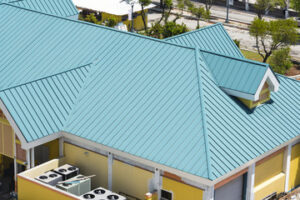
Roof Replacement

The climate where you live impacts your roof’s lifespan. Repairing frequent damage can become costly and may result in a shorter overall lifespan.

A new roof represents an expensive investment, but it offers a return on your investment in terms of increased resale value and reduced repair costs. A roof replacement can also save you money on energy bills. Taking the time to understand the cost of a roof replacement can help you make an informed decision.

The most significant cost factor is the roofing materials chosen. Roofing material prices range from budget-friendly asphalt shingles to high-end slate or metal roofing. These materials offer different aesthetics and longevity, but each has its own unique cost. In addition to roofing materials, building supplies such as underlayment and flashing add up quickly and significantly to the total cost of the project.

Another important factor in determining the cost of a roof replacement is the extent to which any additional structural repairs are needed. Often, resealing or patching weakened places in the roof deck will be necessary to prevent leaks and other damage. This may add an extra $1,000 to the overall roofing project cost.

Some roofs feature structures like chimneys or skylights, which require special materials and installation techniques. In these cases, the cost of replacing the roof will likely be higher than for a flat or square-roof house.

The size of the house is another significant factor in determining the cost of a new roof. Generally, larger homes will need to have more roofing materials and labor than smaller homes. This is because a larger roof covers more surface area and is therefore more complex to install.

Other factors that can add up to the cost of a roof replacement include the size of the existing gutters, the condition of the attic insulation, and any other special requirements or considerations for the project. For example, if the roof is located in a flood zone, special construction and waterproofing will be required.

Lastly, homeowners should consider financing options for their roof replacement project. Depending on their situation, this could include a home equity loan or a cash advance. A home equity loan allows homeowners to borrow against the value of their property – minus what they still owe on their mortgage – and is usually delivered in one lump sum. A cash advance, on the other hand, is a short-term funding solution that provides immediate access to funds.

Aesthetics

A roof is not only a vital structural component of a home or commercial building, but it also provides an opportunity to enhance the overall aesthetic of a property. Whether you want to create a modern architectural statement, or complement the character and charm of a historical landmark, you can improve the visual appeal of your home through careful consideration of roofing materials, colors, and design.

The aesthetics of a roof are important for many reasons, including the personal satisfaction of homeowners and occupants, the value of a home, and its integration into the surrounding environment. For example, in residential communities, a visually appealing roof can enhance curb appeal and increase the resale value of a home. Additionally, many homeowner associations require a certain aesthetic standard for roofs to maintain consistency and beauty throughout the neighborhood.

Choosing the right color and style for your roof is a crucial part of creating an attractive exterior, as well as maintaining its performance and durability. Aesthetics can also play a role in energy efficiency, as the right roof design can reduce cooling costs. Furthermore, many homeowners choose to invest in a green roof to minimize their environmental impact.

Aesthetics can also have a significant effect on the value of a home, particularly in older properties with specific visual defects such as fading or curling shingles and sagging roofs. A new roof can improve a home’s resale value, and many homeowners choose to replace their old roofs before selling in order to add a high-quality finish that increases resale value. Furthermore, a new roof can protect against the damaging effects of storms and other natural disasters. This is especially important in areas prone to extreme weather conditions, which can devastate a house’s structure and value.

Energy efficiency

A new roof adds value to a home, and it can also help to lower energy bills. New roofing materials are highly efficient, preventing heat from entering the house and minimizing air leaks. They can be paired with improved attic insulation and ventilation options to further reduce energy costs. If you’re considering selling your home in the future, a new roof will increase your chances of getting a good price.

Old and damaged roofs often allow moisture into the home, resulting in mold, mildew, wood rot, and structural damage. Replacing your roof before these issues develop can save you from expensive repairs and restore the value of your property.

The energy efficiency of your roof plays a crucial role in your heating and cooling costs. Many modern roofing materials use reflective coatings to minimize heat absorption and limit thermal expansion and contraction. This can significantly reduce your energy costs and your reliance on heating and cooling systems, which can lead to a significant reduction in your carbon footprint.

A well-insulated attic and roof can prevent the loss of heat during cold weather, reducing your energy expenses. You can also choose ENERGY STAR shingles, which have been certified by the Environmental Protection Agency to reduce your energy usage. These shingles are made with low-sloped, reflective tiles and pass the EPA’s stringent requirements for a high ENERGY STAR rating.

Integrating energy efficiency upgrades during a roof replacement project can result in significant savings on utility bills and reduce your home’s carbon footprint. At Trusted Roofing, a GAF Certified Contractor and Google Guaranteed company, we believe that the combination of a quality roof with energy-efficient upgrades is a wise choice for both homeowners and the environment. We can walk you through the cost of various energy-efficient roofing materials to help you make an informed decision. Contact us today to schedule an appointment. We serve clients throughout the Nashville area.

Warranty

A warranty is an important part of a roof replacement project. It protects your investment and provides peace of mind in the event of a problem. Reputable roofing contractors and manufacturers typically offer warranties on their products. These warranties may be limited or unlimited in duration and include coverage for labor, materials, and other expenses. In addition, they often cover damages caused by environmental factors. If you’re considering a reroofing project, it’s worth asking the contractor about their manufacturer’s roof warranty and any potential additional coverage options.

A reputable roofing contractor will have no problem explaining the manufacturer’s warranty terms and conditions to you. This will give you a good understanding of the warranty’s scope, limitations, and benefits. You can also use this information to compare manufacturers and roofing contractors.

Generally speaking, most standard roof warranties cover manufacturing defects in the roofing materials and workmanship. They may cover repairs or replacement costs for up to 20 years. Some may even extend to 50 years or more, depending on the roofing material used. Many of these warranties also provide extended coverage for algae resistance, impact resistance, and wind resistance, among other things.

If you’re planning on selling your home in the near future, it might be a good idea to transfer the warranty to the new buyer. This can be done by contacting the manufacturer directly or by referring to your roof warranty pack that was provided to you by the roofing contractor. You’ll likely need to pay a small fee and meet any other requirements that are specific to the warranty provider.

It’s important to note that most roofing warranties do not cover normal wear and tear or acts of nature. This means that any unexpected repair costs that aren’t covered by the warranty will come out of your own pocket. You can avoid this by opting for a non-prorated warranty, which will provide you with consistent coverage throughout the life of your roof.

Another option is a no dollar limit (NDL) warranty, which offers a replacement value of up to the original cost of your roof. This type of warranty also accounts for inflation and can be a valuable asset in a competitive real estate market.

Essential Tools For Plumbers

Plumbing is the system of pipes, fixtures, and appliances that bring safe, clean water into homes and buildings and remove waste. Plumbers install and repair these systems, following local and national codes and standards.

Plumbers

The plumbing system in a home includes cold and hot water pipes, drains, toilets, and showers. It also has vent pipes that allow air to flow through the system, which prevents sewer gas from building up in the house. Contact Alexander Plumbing & Remodeling LLC for professional help.

Plumbing is the set of pipes, fixtures and appliances that manage water supply and wastewater in buildings. The installation, maintenance and repair of these systems ensures health, safety and comfort for occupants.

Understanding the basics of plumbing helps you maintain and extend the life of your home’s pipes and fixtures. It also allows you to recognize when to call a plumber for professional help. Plumbing is a broad field that covers many different types of equipment, from sinks and toilets to water heaters and garbage disposals. Some parts of the system require more regular care and attention than others, such as drains, vents and sewer lines.

There are three main components to a plumbing system: the water supply, water distribution, and wastewater/drainage. The water supply system delivers fresh, clean drinking water to the home. This includes the piping that brings city water in from the street and the water meter. It also includes the water heater, which heats or cools the water as needed.

The water distribution system carries the water to each fixture, including the faucets and showers. It also includes the dishwasher, clothes washer, and any other water-using appliance in the home. The drainage system takes wastewater and other wastes away from the fixtures. It also includes the venting and traps that keep sewage from escaping into the house.

The venting system connects one or more vents to the drainage system. It keeps air flowing through the piping, which prevents sewage from building up in the pipes. If a pipe is not vented, it could cause back-pressure in the system and lead to a backup or even a flood.

A plumbing system is complex and must meet a variety of regulations and standards to function properly. The Environmental Protection Agency sets these requirements to protect the quality of our water. It also dictates how the pipes are installed and what materials can be used. Knowing these basic rules can save you from costly mistakes when installing or repairing your own plumbing. In addition, learning about the different types of pipes, faucets, and other fixtures can help you recognize potential issues before they become serious problems.

Tools

Whether you are a professional plumber or a beginner training as an apprentice, there are certain tools you will need to complete plumbing tasks. These tools are used for installing and repairing pipes, as well as ensuring that kitchens and bathrooms can function properly. Some of the most important tools are plungers, hand augers, and drain snakes. In addition, you should also have a tubing cutter and pipe wrenches on hand. These tools are essential for plumbing jobs involving copper or PEX tubing.

Plungers are the first line of defense when it comes to clearing clogs. They are simple, cheap, and easy to use. If the clog is too stubborn, however, it may be time to call in a professional. Hand augers, on the other hand, are flexible devices that can reach deep into a drain to break apart and remove clogs. In case these fail to dislodge a blockage, you should have a drain snake on hand, which is a heavy-duty power tool that drives a long, flexible cable into a drain to cut and clear stubborn obstructions.

Another useful tool is the tubing cutter, which cuts through copper and other types of pipe. It can also be used to make bends in piping and tubing, which is particularly useful when working in tight spaces. A good set of pliers is another must-have for any plumber, as they are ideal for gripping and turning nuts and bolts. Look for a pair with serrated jaws to allow you to grip small objects better.

Plumber’s tape, which is also known as thread seal tape, helps prevent leaks at pipe joints by creating a watertight seal. It is easy to use and inexpensive, so it is a valuable addition to any plumber’s toolkit.

It is also a good idea to have a variety of drill bits on hand, as these are needed for making holes in pipes for fittings. These can be manual or electric, and come in various sizes. Lastly, you will need a good quality hacksaw, which can be used to cut through metal pipes and other materials.

Regulations

Plumbing is a highly regulated industry, and understanding the codes and standards that govern the field is critical to successful practice. These regulations prevent disasters like pipe ruptures or basement flooding by establishing minimum standards for safe installation and operation. They also set acceptable materials, establish appropriate maintenance procedures, and set guidelines for water and sewage systems.

Knowing these standards can help plumbers avoid common mistakes that can lead to costly repairs and customer dissatisfaction. Codes dictate everything from the minimum slope of drain lines to prevent blockages to the maximum allowed water temperature to prevent scalding. These rules and regulations are essential to ensure the safety of customers, protect public health, and promote efficiency and sustainability.

The most commonly used plumbing codes are the International Plumbing Code (IPC) and the Uniform Plumbing Code (UPC). These sets of rules determine the approved materials for residential and commercial piping, establishes how these materials should be installed, and specifies requirements for building sewers and drainage systems. They also regulate backflow prevention devices to ensure that contaminated water does not enter a clean supply line.

Plumbing codes also establish sizing requirements for pipes, which can prevent pipe ruptures and water loss. They also mandate that drains be properly sloped to avoid blockages and that water heaters are sized appropriately to ensure adequate heat and energy efficiency. Additionally, they set standards for proper venting to ensure that sewage gases do not build up in a home.

Other types of plumbing codes include those that require sump pumps in flood-prone areas and backflow prevention devices to prevent contamination from contaminated water entering the house. Finally, they set requirements for water-efficient fixtures and environmental awareness, encouraging plumbers to use sustainable practices that minimize their impact on the environment.

In order to keep current with evolving plumbing codes and standards, plumbers should regularly review government websites and trade publications. They should also consult local building departments for information specific to their region. In addition, attending plumbing seminars and networking with other industry professionals can provide access to the latest updates and best practices.

Networking

Plumbing is a vital service that keeps people’s homes and businesses running smoothly. It involves the installation, repair, and maintenance of pipes and fixtures to supply freshwater for consumption and remove wastewater. The work can be tedious and dangerous, and it requires a certain level of skill to ensure proper operation. It’s important for plumbers to stay connected with their industry in order to keep abreast of new technologies and best practices. Networking can be done through a variety of methods, including attending industry conferences and events, joining professional organizations, and participating in online forums.

Whether it’s sourcing quality equipment, ensuring timely deliveries, or getting the latest industry news and trends, a plumber’s relationship with vendors is paramount to their business success. A strong vendor network enables plumbers to be more responsive to their customers’ needs and expectations. It also helps them offer a more comprehensive set of services, allowing them to set themselves apart from their competitors.

In addition to connecting with fellow professionals, networking can also help plumbers get more work. Often, potential clients will turn to the Internet to find and hire a plumber, so it’s important for them to have an online presence that includes a website with reviews and photos. It should also include contact information and a list of certifications and qualifications.

The plumbing industry is heavily regulated, and plumbers must be aware of both federal and state regulations. Federal regulations, which are set by agencies like the Environmental Protection Agency (EPA), focus on issues such as water quality and lead content in plumbing materials. State regulations, on the other hand, are more specific and tailored to local conditions. They may include additional requirements for water conservation or seismic safety.

As a result of these regulatory concerns, plumbers must have access to a wide range of resources and tools. Many plumbing websites feature articles, videos, and forums that can help them learn new techniques and troubleshooting strategies. Some sites also offer online courses and certifications, product reviews and ratings, and calculators. By staying connected with these resources, plumbers can be better prepared for their work and avoid costly mistakes.

Navigation