Plumbing is the system of pipes, fixtures, and appliances that bring safe, clean water into homes and buildings and remove waste. Plumbers install and repair these systems, following local and national codes and standards.
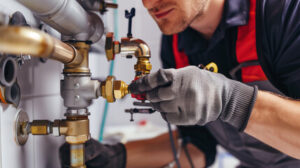
The plumbing system in a home includes cold and hot water pipes, drains, toilets, and showers. It also has vent pipes that allow air to flow through the system, which prevents sewer gas from building up in the house.
Plumbing is the set of pipes, fixtures and appliances that manage water supply and wastewater in buildings. The installation, maintenance and repair of these systems ensures health, safety and comfort for occupants.
Understanding the basics of plumbing helps you maintain and extend the life of your home’s pipes and fixtures. It also allows you to recognize when to call a plumber for professional help. Plumbing is a broad field that covers many different types of equipment, from sinks and toilets to water heaters and garbage disposals. Some parts of the system require more regular care and attention than others, such as drains, vents and sewer lines.
There are three main components to a plumbing system: the water supply, water distribution, and wastewater/drainage. The water supply system delivers fresh, clean drinking water to the home. This includes the piping that brings city water in from the street and the water meter. It also includes the water heater, which heats or cools the water as needed.
The water distribution system carries the water to each fixture, including the faucets and showers. It also includes the dishwasher, clothes washer, and any other water-using appliance in the home. The drainage system takes wastewater and other wastes away from the fixtures. It also includes the venting and traps that keep sewage from escaping into the house.
The venting system connects one or more vents to the drainage system. It keeps air flowing through the piping, which prevents sewage from building up in the pipes. If a pipe is not vented, it could cause back-pressure in the system and lead to a backup or even a flood.
A plumbing system is complex and must meet a variety of regulations and standards to function properly. The Environmental Protection Agency sets these requirements to protect the quality of our water. It also dictates how the pipes are installed and what materials can be used. Knowing these basic rules can save you from costly mistakes when installing or repairing your own plumbing. In addition, learning about the different types of pipes, faucets, and other fixtures can help you recognize potential issues before they become serious problems.
Tools
Whether you are a professional plumber or a beginner training as an apprentice, there are certain tools you will need to complete plumbing tasks. These tools are used for installing and repairing pipes, as well as ensuring that kitchens and bathrooms can function properly. Some of the most important tools are plungers, hand augers, and drain snakes. In addition, you should also have a tubing cutter and pipe wrenches on hand. These tools are essential for plumbing jobs involving copper or PEX tubing.
Plungers are the first line of defense when it comes to clearing clogs. They are simple, cheap, and easy to use. If the clog is too stubborn, however, it may be time to call in a professional. Hand augers, on the other hand, are flexible devices that can reach deep into a drain to break apart and remove clogs. In case these fail to dislodge a blockage, you should have a drain snake on hand, which is a heavy-duty power tool that drives a long, flexible cable into a drain to cut and clear stubborn obstructions.
Another useful tool is the tubing cutter, which cuts through copper and other types of pipe. It can also be used to make bends in piping and tubing, which is particularly useful when working in tight spaces. A good set of pliers is another must-have for any plumber, as they are ideal for gripping and turning nuts and bolts. Look for a pair with serrated jaws to allow you to grip small objects better.
Plumber’s tape, which is also known as thread seal tape, helps prevent leaks at pipe joints by creating a watertight seal. It is easy to use and inexpensive, so it is a valuable addition to any plumber’s toolkit.
It is also a good idea to have a variety of drill bits on hand, as these are needed for making holes in pipes for fittings. These can be manual or electric, and come in various sizes. Lastly, you will need a good quality hacksaw, which can be used to cut through metal pipes and other materials.
Regulations
Plumbing is a highly regulated industry, and understanding the codes and standards that govern the field is critical to successful practice. These regulations prevent disasters like pipe ruptures or basement flooding by establishing minimum standards for safe installation and operation. They also set acceptable materials, establish appropriate maintenance procedures, and set guidelines for water and sewage systems.
Knowing these standards can help plumbers avoid common mistakes that can lead to costly repairs and customer dissatisfaction. Codes dictate everything from the minimum slope of drain lines to prevent blockages to the maximum allowed water temperature to prevent scalding. These rules and regulations are essential to ensure the safety of customers, protect public health, and promote efficiency and sustainability.
The most commonly used plumbing codes are the International Plumbing Code (IPC) and the Uniform Plumbing Code (UPC). These sets of rules determine the approved materials for residential and commercial piping, establishes how these materials should be installed, and specifies requirements for building sewers and drainage systems. They also regulate backflow prevention devices to ensure that contaminated water does not enter a clean supply line.
Plumbing codes also establish sizing requirements for pipes, which can prevent pipe ruptures and water loss. They also mandate that drains be properly sloped to avoid blockages and that water heaters are sized appropriately to ensure adequate heat and energy efficiency. Additionally, they set standards for proper venting to ensure that sewage gases do not build up in a home.
Other types of plumbing codes include those that require sump pumps in flood-prone areas and backflow prevention devices to prevent contamination from contaminated water entering the house. Finally, they set requirements for water-efficient fixtures and environmental awareness, encouraging plumbers to use sustainable practices that minimize their impact on the environment.
In order to keep current with evolving plumbing codes and standards, plumbers should regularly review government websites and trade publications. They should also consult local building departments for information specific to their region. In addition, attending plumbing seminars and networking with other industry professionals can provide access to the latest updates and best practices.
Networking
Plumbing is a vital service that keeps people’s homes and businesses running smoothly. It involves the installation, repair, and maintenance of pipes and fixtures to supply freshwater for consumption and remove wastewater. The work can be tedious and dangerous, and it requires a certain level of skill to ensure proper operation. It’s important for plumbers to stay connected with their industry in order to keep abreast of new technologies and best practices. Networking can be done through a variety of methods, including attending industry conferences and events, joining professional organizations, and participating in online forums.
Whether it’s sourcing quality equipment, ensuring timely deliveries, or getting the latest industry news and trends, a plumber’s relationship with vendors is paramount to their business success. A strong vendor network enables plumbers to be more responsive to their customers’ needs and expectations. It also helps them offer a more comprehensive set of services, allowing them to set themselves apart from their competitors.
In addition to connecting with fellow professionals, networking can also help plumbers get more work. Often, potential clients will turn to the Internet to find and hire a plumber, so it’s important for them to have an online presence that includes a website with reviews and photos. It should also include contact information and a list of certifications and qualifications.
The plumbing industry is heavily regulated, and plumbers must be aware of both federal and state regulations. Federal regulations, which are set by agencies like the Environmental Protection Agency (EPA), focus on issues such as water quality and lead content in plumbing materials. State regulations, on the other hand, are more specific and tailored to local conditions. They may include additional requirements for water conservation or seismic safety.
As a result of these regulatory concerns, plumbers must have access to a wide range of resources and tools. Many plumbing websites feature articles, videos, and forums that can help them learn new techniques and troubleshooting strategies. Some sites also offer online courses and certifications, product reviews and ratings, and calculators. By staying connected with these resources, plumbers can be better prepared for their work and avoid costly mistakes.
