Author: Heidi Peters

Costs and Benefits of Roof Replacement

When considering roof replacement, it’s important to consider the costs and benefits. A new roof can help improve your home’s energy efficiency, add curb appeal, and increase value.
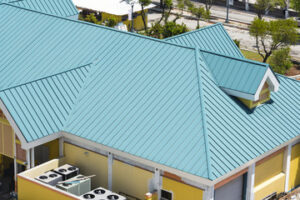
Roof Replacement

The climate where you live impacts your roof’s lifespan. Repairing frequent damage can become costly and may result in a shorter overall lifespan.

A new roof represents an expensive investment, but it offers a return on your investment in terms of increased resale value and reduced repair costs. A roof replacement can also save you money on energy bills. Taking the time to understand the cost of a roof replacement can help you make an informed decision.

The most significant cost factor is the roofing materials chosen. Roofing material prices range from budget-friendly asphalt shingles to high-end slate or metal roofing. These materials offer different aesthetics and longevity, but each has its own unique cost. In addition to roofing materials, building supplies such as underlayment and flashing add up quickly and significantly to the total cost of the project.

Another important factor in determining the cost of a roof replacement is the extent to which any additional structural repairs are needed. Often, resealing or patching weakened places in the roof deck will be necessary to prevent leaks and other damage. This may add an extra $1,000 to the overall roofing project cost.

Some roofs feature structures like chimneys or skylights, which require special materials and installation techniques. In these cases, the cost of replacing the roof will likely be higher than for a flat or square-roof house.

The size of the house is another significant factor in determining the cost of a new roof. Generally, larger homes will need to have more roofing materials and labor than smaller homes. This is because a larger roof covers more surface area and is therefore more complex to install.

Other factors that can add up to the cost of a roof replacement include the size of the existing gutters, the condition of the attic insulation, and any other special requirements or considerations for the project. For example, if the roof is located in a flood zone, special construction and waterproofing will be required.

Lastly, homeowners should consider financing options for their roof replacement project. Depending on their situation, this could include a home equity loan or a cash advance. A home equity loan allows homeowners to borrow against the value of their property – minus what they still owe on their mortgage – and is usually delivered in one lump sum. A cash advance, on the other hand, is a short-term funding solution that provides immediate access to funds.

Aesthetics

A roof is not only a vital structural component of a home or commercial building, but it also provides an opportunity to enhance the overall aesthetic of a property. Whether you want to create a modern architectural statement, or complement the character and charm of a historical landmark, you can improve the visual appeal of your home through careful consideration of roofing materials, colors, and design.

The aesthetics of a roof are important for many reasons, including the personal satisfaction of homeowners and occupants, the value of a home, and its integration into the surrounding environment. For example, in residential communities, a visually appealing roof can enhance curb appeal and increase the resale value of a home. Additionally, many homeowner associations require a certain aesthetic standard for roofs to maintain consistency and beauty throughout the neighborhood.

Choosing the right color and style for your roof is a crucial part of creating an attractive exterior, as well as maintaining its performance and durability. Aesthetics can also play a role in energy efficiency, as the right roof design can reduce cooling costs. Furthermore, many homeowners choose to invest in a green roof to minimize their environmental impact.

Aesthetics can also have a significant effect on the value of a home, particularly in older properties with specific visual defects such as fading or curling shingles and sagging roofs. A new roof can improve a home’s resale value, and many homeowners choose to replace their old roofs before selling in order to add a high-quality finish that increases resale value. Furthermore, a new roof can protect against the damaging effects of storms and other natural disasters. This is especially important in areas prone to extreme weather conditions, which can devastate a house’s structure and value.

Energy efficiency

A new roof adds value to a home, and it can also help to lower energy bills. New roofing materials are highly efficient, preventing heat from entering the house and minimizing air leaks. They can be paired with improved attic insulation and ventilation options to further reduce energy costs. If you’re considering selling your home in the future, a new roof will increase your chances of getting a good price.

Old and damaged roofs often allow moisture into the home, resulting in mold, mildew, wood rot, and structural damage. Replacing your roof before these issues develop can save you from expensive repairs and restore the value of your property.

The energy efficiency of your roof plays a crucial role in your heating and cooling costs. Many modern roofing materials use reflective coatings to minimize heat absorption and limit thermal expansion and contraction. This can significantly reduce your energy costs and your reliance on heating and cooling systems, which can lead to a significant reduction in your carbon footprint.

A well-insulated attic and roof can prevent the loss of heat during cold weather, reducing your energy expenses. You can also choose ENERGY STAR shingles, which have been certified by the Environmental Protection Agency to reduce your energy usage. These shingles are made with low-sloped, reflective tiles and pass the EPA’s stringent requirements for a high ENERGY STAR rating.

Integrating energy efficiency upgrades during a roof replacement project can result in significant savings on utility bills and reduce your home’s carbon footprint. At Trusted Roofing, a GAF Certified Contractor and Google Guaranteed company, we believe that the combination of a quality roof with energy-efficient upgrades is a wise choice for both homeowners and the environment. We can walk you through the cost of various energy-efficient roofing materials to help you make an informed decision. Contact us today to schedule an appointment. We serve clients throughout the Nashville area.

Warranty

A warranty is an important part of a roof replacement project. It protects your investment and provides peace of mind in the event of a problem. Reputable roofing contractors and manufacturers typically offer warranties on their products. These warranties may be limited or unlimited in duration and include coverage for labor, materials, and other expenses. In addition, they often cover damages caused by environmental factors. If you’re considering a reroofing project, it’s worth asking the contractor about their manufacturer’s roof warranty and any potential additional coverage options.

A reputable roofing contractor will have no problem explaining the manufacturer’s warranty terms and conditions to you. This will give you a good understanding of the warranty’s scope, limitations, and benefits. You can also use this information to compare manufacturers and roofing contractors.

Generally speaking, most standard roof warranties cover manufacturing defects in the roofing materials and workmanship. They may cover repairs or replacement costs for up to 20 years. Some may even extend to 50 years or more, depending on the roofing material used. Many of these warranties also provide extended coverage for algae resistance, impact resistance, and wind resistance, among other things.

If you’re planning on selling your home in the near future, it might be a good idea to transfer the warranty to the new buyer. This can be done by contacting the manufacturer directly or by referring to your roof warranty pack that was provided to you by the roofing contractor. You’ll likely need to pay a small fee and meet any other requirements that are specific to the warranty provider.

It’s important to note that most roofing warranties do not cover normal wear and tear or acts of nature. This means that any unexpected repair costs that aren’t covered by the warranty will come out of your own pocket. You can avoid this by opting for a non-prorated warranty, which will provide you with consistent coverage throughout the life of your roof.

Another option is a no dollar limit (NDL) warranty, which offers a replacement value of up to the original cost of your roof. This type of warranty also accounts for inflation and can be a valuable asset in a competitive real estate market.
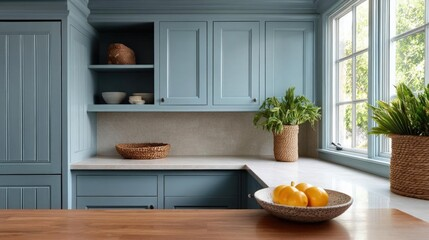
Brush Roller Or Spray Which Method Works Best for Cabinet Painting?

Cabinet Painting Sacramento

Whether you’re repainting the exterior of your Ann Arbor home or reviving a piece of furniture, choosing the right painting method will determine the quality and finish of your project. Brushing and rolling offer precision and control for projects requiring attention to detail, while spraying offers quick application for larger surfaces and more coverage with less paint waste. Visit Cabinet Painting Sacramento for more details.

Brushes and Rollers

When it comes to painting, choosing the right application tool can make the difference between a project living up to its potential and one that’s a complete disaster. The right brushes and rollers provide an even coat that’s easy to clean, helping you save time and get the look you want.

The type of paint you’re using and the size of your space play a big role in what kind of brush or roller to select, as well. For example, if you’re working with a product that requires a durable finish, you’ll want to use a brush with stiff filaments for crisp lines and a quick clean-up. The extra-stiff Chinex (r) acacia, Tynex (r) nylon or Orel polyester-blend filaments in our Purdy (r) paintbrushes help deliver that durability while creating a nice, smooth surface and eliminating visible brush marks.

For larger spaces, a roller can quickly cover large surfaces and cut down on the amount of time it takes to complete your project. Sherwin-Williams offers a variety of roller covers in different fabric types and nap sizes that match up with the type of paint used, including both natural and synthetic fabrics to suit your style.

We tried a foam, a woven, and a mohair roller to see how each performed on our cabinets. The foam roller provided a thin, even coating with minimal stippling and no noticeable roller marks after it dried. It also shed a little bit of lint, so we would recommend using a de-fuzzer or tack cloth to remove any stray fibers before beginning your project.

The woven roller covered the most area, but it still left a light stippled texture and some roller marks after drying. It did, however, shed a lot less lint than the foam roller, so it could be a good option for smaller areas or for people who like a more subtle finish. The mohair roller performed the best of all, with great coverage and no stippling or roller marks after drying.

Sprayers

Whether you are a professional cabinet painter looking for efficiency or a home DIYer seeking to elevate your painting endeavors, a paint sprayer offers an exceptional toolset to accomplish remarkable and lasting results. This powerful and versatile tool delivers an outstanding finish for all cabinet surfaces and types of materials, including stains and clear coats.

A sprayer’s high-powered atomization produces an even, smooth film, resulting in a flawless and uniform appearance. Combined with proper technique, a sprayer can also cut down project time significantly when compared to traditional rollers and brushes. In addition, a sprayer can easily reach tight corners and recesses, making it the perfect choice for detailed surfaces like cabinet doors and drawer fronts.

If you plan on using a sprayer, make sure to follow proper preparation steps to avoid accidental overspray. Thoroughly mask off appliances, countertops, and other adjacent surfaces to prevent the spread of unwanted paint splatter. Additionally, lay down drop cloths or plastic sheets to protect your workspace from unintentional splatters during the spraying process.

For best results, start by spraying your doors and then moving on to the larger flat areas of your cabinets. When spraying, make sure to work within your comfort level and never extend your reach too far. Aim for an even and thick layer of paint.

Once the doors are dry, you can reattach them to your cabinet frames and then proceed with the remaining cabinet interiors and outer frames. Remember to lightly sand and vacuum the surface between coats to help the topcoat adhere stronger. Most pro’s do a fine sanding between coats and then wipe down with a tack cloth to prepare for the next coat of primer or topcoat.

When it comes to choosing the right sprayer for your cabinet painting project, look for a durable metal gun with adjustable settings that offer flexibility and control. The Fuji Semi-PRO 2 HVLP spray system, for example, offers an excellent option that is suitable for a range of materials and applications. With its high-powered 2-stage motor, this sprayer provides exceptional atomization for a beautiful and flawless finish. Its customizable settings also enable the user to customize the spray pattern and pressure, ensuring consistent coverage on all cabinet surfaces.

Time-Consuming

Painting cabinets is a big undertaking that can take up to a week or more. Whether you’re repainting your cabinets to breathe new life into an outdated kitchen or upgrade a guest bath, proper prep work is key. Proper sanding and priming, as well as applying multiple thin coats of paint, are essential to a long-lasting finish that can endure the daily wear and tear of your cabinets.

A spray gun atomizes paint into a fine mist that can cover large surfaces quickly and evenly. This can help minimize brush strokes, roller marks, and other textural inconsistencies that may occur with a brush or roller. However, a quality sprayer can be expensive and requires specialized knowledge and skills to use effectively. It’s also more time-consuming to prepare a space when using a sprayer, as all hardware must be removed and the surface covered with plastic and tape. Lastly, there’s more overspray and wasted paint when using a sprayer, so your cabinet space will require more cleanup and re-preparation.

The traditional brushing method is a simpler approach that’s often less expensive and forgiving to beginners. It’s important to invest in a good quality brush, as well as sandpaper and primer to ensure the best results. A variety of sized brushes and covers are available to suit different surfaces, including textured woods and high-gloss paints. It’s not uncommon to need to apply several coats of paint to achieve a full, smooth coverage.

Brushing requires more patience and is not ideal for detailed areas, as the brush can leave visible streaks. It can also be prone to drips and spills, particularly for beginners. Regardless of the type of brush used, it’s important to use a high-quality primer and enamel paint that are specifically formulated for cabinets to prevent flaking, chipping, and peeling.

Ultimately, the decision to spray or brush should be based on your comfort level, project goals, and budget. Spraying offers a smooth, professional finish that can elevate the look of your home and boost its resale value, but it’s more expensive and time-consuming than brushing.

Cost

The cost of painting cabinets depends on a variety of factors. The material they’re made from, as well as their condition and any repairs needed, will affect how much it costs to paint them. The type of cabinet paint will also have a significant impact on the overall cost. For example, if you choose to repaint your kitchen cabinets with an oil-based primer that requires several coats to cover the existing color, the process will be slower and more labor intensive than if you use a water-based primer. Additionally, high-gloss cabinet paints are more expensive than matte or satin finishes.

Traditional brush and roller painting offers precision and control, especially for areas with intricate designs or detailed trims. However, this method can take longer to complete and is more costly than spray painting.

According to Slavik, it takes an average of 70 hours to professionally hand-paint a set of 40 cabinet doors and drawers. This includes the time it takes to remove and reinstall all of the hardware. It also doesn’t include the additional time it takes to prep, sand, and clean the area before painting.

To achieve a professional finish, it’s essential to use the right quality of paint and primer for your cabinet doors. The type of primer you need will depend on the material your cabinets are made from, as well as any repairs required. For wood cabinets, Slavik recommends using an oil-based primer that will seal in knots, stains, and nail holes. This type of primer is typically more expensive than a water-based version, but it will offer the best long-term results.

When it comes to selecting the right type of paint for your cabinets, Slavik recommends choosing a semi-gloss or gloss finish. This type of paint will provide a durable, stain-resistant surface that’s easy to clean and maintain. It can be more expensive than a matte or satin finish, but it’s worth the investment to ensure your kitchen cabinets look new for years to come.

While you can choose to DIY your cabinet painting project, a professional service like N-Hance will save you the time and stress of trying to do it yourself. The team of professionals will also make sure you get a smooth, factory-like finish that you’ll be happy with for many years to come.

Navigation