Electrical wiring is a critical component of a commercial property, providing the power that drives lighting and appliances. The main electrical panel distributes electricity across a building, and circuit breakers safeguard against overloads.
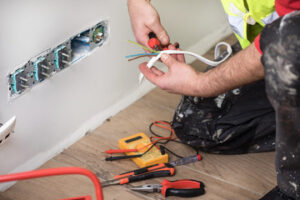
Various regulations govern the installation of electrical systems in commercial properties. Adherence to these rules is vital for safety and compliance. Keep reading the article below to learn more about Commercial Electrical Installation.
Electrical wiring in commercial spaces is far more complex than the average household. As a result, there are different safety standards that must be followed to ensure the integrity of an electrical system.
Failure to follow these standards can lead to fires, electrical shocks, and other dangerous hazards. Fortunately, there are a number of measures that can be taken to prevent these problems and maintain the safety of your employees and tenants.
Always shut off the power supply before beginning any work on an electrical system to eliminate the risk of accidental shocks. Also, it is important to use personal protective equipment (PPE) when working with wires, such as insulated gloves, safety glasses, and hard hats. It is also crucial to make sure that the area where electrical work is being done is well-lit and free from obstructions. Lastly, it is important to label all circuit breakers and switches in order to make them easily identifiable.
Another step in ensuring electrical safety is regularly inspecting and maintaining the installation. These inspections can help identify potential problems and issues, such as overheating wires or improper grounding. In addition, regular inspections can help avoid problems that could become worse over time.
A qualified electrician will be able to assess the unique needs of your electrical system and provide the appropriate solutions. For example, if you need to add machinery or other equipment to your business, an electrician can determine whether this will cause a strain on the current system by looking at various factors, including power consumption, circuit breakers, and switches. They will also be able to recommend any necessary upgrades or modifications to the existing wiring.
Reliability
Electrical wiring plays an important role in the reliability of commercial properties, especially when it comes to supporting critical systems like HVAC equipment and office machinery. By working with professional electricians and ensuring regular maintenance and safety checks, business owners can rest assured that their property’s electrical system is providing safe and efficient operations.
The most common issues that can affect commercial electrical installations are usually fairly easy to fix. For example, tripped circuit breakers are often caused by overloads, and can be easily fixed by reducing the amount of devices on the circuit or simply resetting the breaker. Flickering lights are often caused by loose or outdated bulbs that need replacing. It is also essential to use bulbs rated for the voltage of each circuit.
Other problems that may occur can be more complex to resolve. For example, an electrical panel or switchgear that fails to provide adequate power is a sign of an issue with the distribution system. It is essential to check the circuit breaker and fuses, as well as ensure that the grounding system is functioning correctly.
In order to avoid serious issues, it is best to work with a professional for all commercial electrical installation services. They can assist with planning, designing and installing the necessary components to meet your business needs. Moreover, they can advise on the specific requirements for your space, including branch circuits, wiring, electrical panels, and power receptacles. They will also have a good understanding of conductors, such as NM and SE types, as well as general requirements such as outdoor direct burial feeders and busways.
While residential wiring is typically hidden behind walls and covered by plastic sheathing, new commercial electrical installations are generally visible, with the wires running through tube-like conduits. These conduits provide a layer of protection from potential hazards and help keep the wiring organised and insulated. Additionally, new commercial electrical installations are designed for energy efficiency. This can include LED lighting, occupancy sensors and programmable thermostats to reduce electricity costs. This can also be achieved through careful circuit design and incorporating alternative energy sources like solar panels.
Efficiency
When working with commercial electrical installations, there are a number of efficiency measures that should be taken into account. These include using the right wiring, ensuring adequate lighting and safety systems are in place, and avoiding unnecessary energy consumption. These are all vital considerations that can significantly impact the overall cost and effectiveness of a commercial electrical installation.
In addition, the use of efficient electrical systems can reduce operational costs by lowering electricity bills and reducing energy waste. This is achieved through the careful selection of materials, proper insulation, and effective circuit design. Similarly, the use of renewable energy sources can further improve energy efficiency and sustainability.
Commercial wiring is more complex than in residential settings, with greater demands on the system. This includes three-phase power and specialised lighting controls, which require specific designs that ensure they meet the appropriate standards and regulations. Moreover, electrical cables are usually contained in conduits, which provide crucial protection against heat, moisture, and corrosion. This is especially necessary in harsh environments and in areas with a high volume of foot traffic.
Electrical work in a commercial setting is typically conducted with a permit, which must be obtained before the work begins. This is to ensure that the work complies with local laws and regulations, minimising the risk of fires or injuries. Additionally, it also ensures that electrical workers have the proper knowledge and experience to complete the job safely.
Having the right equipment and tools is important for any electrician, but especially when working with commercial installations. The correct tools and equipment are designed to withstand the higher voltages that are commonly found in commercial spaces. These tools are also made to prevent accidental damage and ensure a safe environment for employees.
Another important consideration is the type of sockets and other electrics to be installed in a commercial space. This depends on various factors, including floor occupancy, cabling requirements, and lighting needs. The use of energy-efficient lights is a great way to reduce electricity costs, while back-up power can come in handy for emergency situations.
Lastly, it’s important to adhere to the National Electrical Code (NEC) when working with commercial electrical systems. Keeping up to date with the latest revisions of the NEC can help business owners ensure their electrical system meets the latest standards and safety guidelines. This can protect them against fines, project delays, and even legal liability.
Maintenance
A well-functioning electrical system is a crucial part of every business. From lighting systems to intricate network cabling, commercial electrical installations require meticulous installation and strict adherence to established codes to maximize safety and functionality.
Local, state, and national standards regulate electrical installations to prevent accidents and fires and promote safety for occupants and customers. Strict compliance with these regulations is non-negotiable for contractors and their clients, as failure to comply could result in heavy fines and legal repercussions. To ensure the integrity of a commercial electrical installation, it is important to have a thorough inspection and testing process. This includes a detailed electrical plan, examining the capacity of circuits and wiring, and identifying any potential hazards.
Power surges and voltage fluctuations can damage sensitive equipment and disrupt normal operations. Installing surge protection devices, which monitor voltage and cut off power when necessary, is an effective way to mitigate these problems. These devices can be installed at the electrical panel or in individual rooms, depending on the property’s needs.
Commercial warehouses have unique electrical requirements that differ based on the types of products stored inside. Whether it is large machinery that requires a more robust distribution system or perishable goods that require climate control, your licensed commercial electrician can help. They will take into account your specific needs, and install the right type of equipment that complies with energy regulations and codes.
In addition to ensuring the safety of your electrical wiring, a licensed commercial electrician can help you save money on utility bills by implementing energy-saving solutions. This may include motion sensors, programmable thermostats, and other smart technologies. A licensed technician can also assess your current energy usage and recommend any changes that can improve efficiency.
When working with commercial electrical systems, it is essential to follow proper safety protocols and use personal protective equipment (PPE) such as insulated gloves, goggles, and work boots. This will protect against injuries and ensure that workers are able to complete their job safely. Implementing a “no PPE, no work” policy can also promote a safety-first culture among employees and reduce the risk of electrical shocks and fires.